
What Are Venous Valves and Why Are They So Important?
You may know that your veins transport blood to the heart, but you might not know as much about the structure of these blood vessels. For example, did you know that your veins are equipped with a set of valves that ensure your blood flows through them properly? Here is a quick and simple overview of your venous valves, outlining how they work.
How valves work
Venous valves typically consist of two elastic flaps of tissue that open and close in alternation. Venous valves work in conjunction with the musculoskeletal system. Muscles constantly contract and release, causing the blood to flow toward the heart. The valves open, allowing the blood to flow, and close, stopping the blood from flowing backwards.
After running through this network of veins, blood reaches the heart and travels to the lungs, which supply it with oxygen and allow it to expel carbon dioxide and other waste. The oxygenated blood then courses through the pulmonary vein back to the heart, which pumps it through the arterial system to the rest of the body.
The danger of backflow
The regular opening and closing of valves prevents backflow (blood that is flowing in reverse — also called venous reflux or insufficiency). If backflow occurs, blood can begin to pool in the veins, potentially damaging them. Most common venous disorders are caused by the backflow or venous insufficiency.
Varicose veins
Healthy venous valves successfully open and close as necessary. In many people, the valves will break, leading to backflow or venous insufficiency. This can lead to varicose veins.
These distended blood vessels result in moderate to severe pain and visible swelling, in addition to preventing blood from circulating as it should.
When left untreated, varicose veins can result in skin ulcers, blood clots, increased pain and swelling, and even deep vein thrombosis (DVT). It’s best to treat varicose veins as soon as possible to avoid these costly and, in the case of DVT, potentially life-threatening complications.
Contact The Vein Specialists today at 309-862-4000 to schedule a consultation with one of our physicians or request an appointment online at www.ILveins.com. We have convenient locations at 3302 Gerig Drive in Bloomington or 2011 Rock Street, Suite D2 in Peru.

Travel comfortably this holiday season with vein health tips from The Vein Specialists. Learn how compression stockings, hydration, movement, and leg elevation prevent spider veins and varicose veins during long flights and road trips.

Celebrate New Year’s Eve without vein discomfort! Learn how hydration, smart food choices, compression stockings, and movement can protect against spider veins and varicose veins while you ring in the new year. Tips from The Vein Specialists.

Protect your veins this Black Friday! Learn expert tips for vein health during long hours of shopping, including compression stockings, hydration, breaks, and supportive footwear. Keep your legs comfortable and reduce spider vein and varicose vein discomfort with The Vein Specialists.

Enjoy Thanksgiving without compromising vein health! Discover expert tips on vein-friendly foods, portion control, hydration, and activity to reduce the risk of spider veins and varicose veins. Eat well and keep your veins healthy this holiday season with The Vein Specialists.

Learn how to layer compression stockings during cold weather for optimal vein health. Discover tips on pairing compression with socks, leggings, and boots to stay warm, comfortable, and supported this winter with advice from The Vein Specialists.

Make vein health part of your Halloween costume! Learn fun and creative ways to style compression stockings with costumes like witches, superheroes, athletes, and more. Stay comfortable and festive this Halloween with tips from The Vein Specialists.

Boost your vein health this fall with outdoor fitness activities like hiking, cycling, walking, and yoga. Discover how these low-impact exercises improve circulation, reduce vein discomfort, and prevent spider veins and varicose veins with tips from The Vein Specialists.
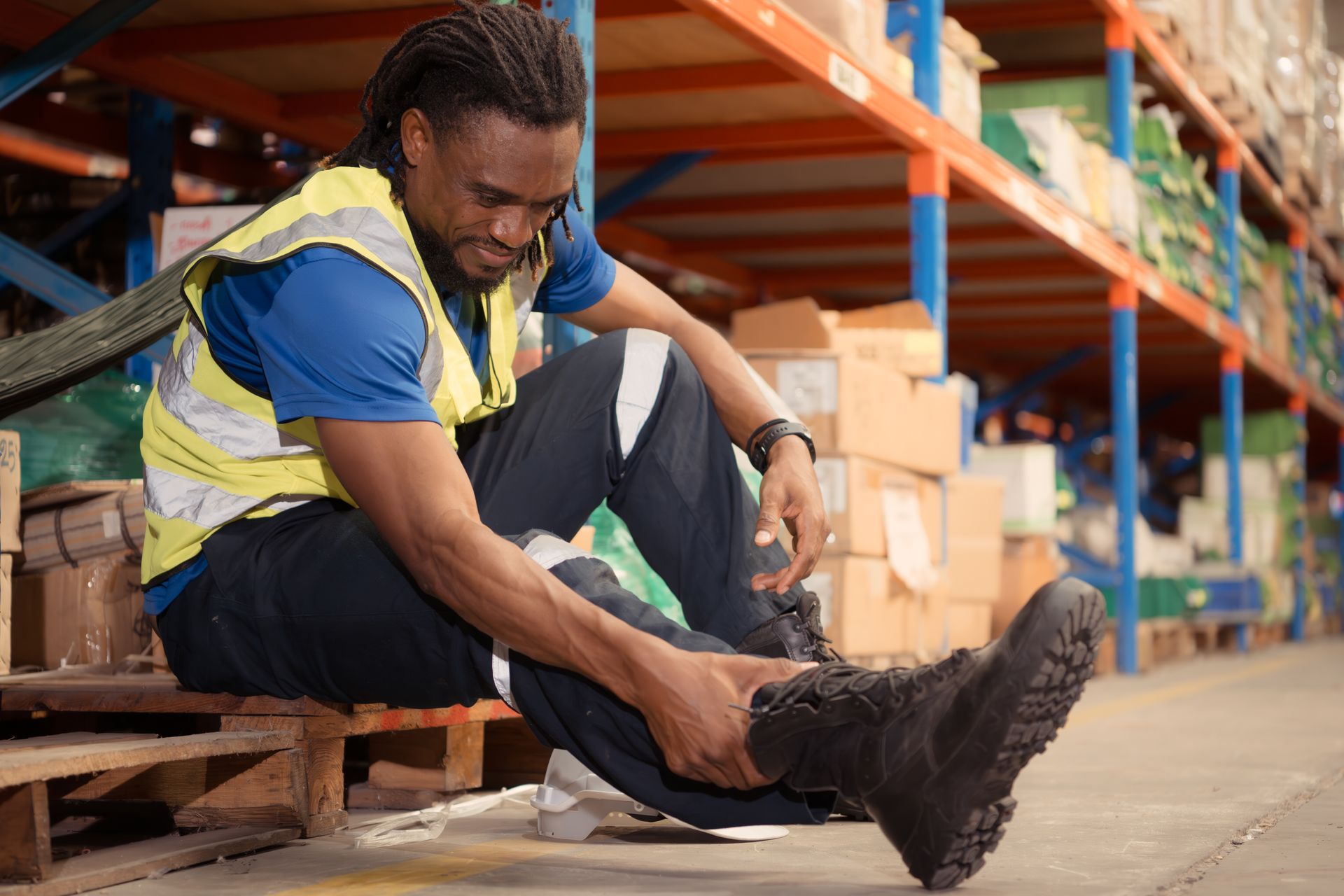
Labor Day is a holiday that honors the hard work and dedication of America’s workforce. For many, it’s also a reminder of the physical toll labor-intensive jobs can take on the body—especially the legs and veins. Occupations that require long hours of standing, lifting, or repetitive movements can increase the risk of spider veins, varicose veins, and chronic venous insufficiency. This Labor Day, take a moment not only to celebrate your hard work but also to consider strategies to protect your vein health while on the job. How Labor-Intensive Jobs Affect Vein Health Jobs in industries like construction, healthcare, retail, hospitality, and manufacturing often require workers to spend most of their shifts on their feet. Prolonged standing increases pressure in the leg veins, leading to swelling, fatigue, and, over time, visible vein issues. On the other hand, jobs that require heavy lifting or frequent bending can put additional stress on circulation, worsening existing vein conditions. Without proper care, these symptoms can develop into chronic venous disorders, which may impact both comfort and long-term health. Tips for Protecting Veins on the Job 1. Take Movement Breaks Even in jobs that demand constant standing, small breaks for movement can make a significant difference. Flexing the ankles, shifting weight from one leg to the other, or taking a short walk during breaks improves circulation and helps prevent blood from pooling in the legs. 2. Wear Compression Stockings Compression garments are one of the most effective tools for workers in labor-intensive industries. They gently squeeze the legs, supporting blood flow and reducing swelling, heaviness, and discomfort. Modern compression stockings are lightweight, breathable, and available in work-friendly designs. 3. Prioritize Hydration Dehydration can make blood thicker, slowing circulation and making it harder for veins to function properly. Carry a refillable water bottle at work and aim to drink consistently throughout the day. This is especially important for outdoor laborers exposed to heat. 4. Choose Supportive Footwear Good shoes are an investment in vein health. Supportive footwear with cushioning and arch support reduces strain on the legs and improves circulation. Avoid shoes with flat soles or high heels, both of which can negatively affect posture and vein health. 5. Elevate Your Legs After Work At the end of a long day, give your veins a break by elevating your legs above heart level.. This helps reduce swelling and promotes healthy circulation, providing relief from the strain of physical labor. When to See a Specialist If you notice persistent symptoms such as swelling, heaviness, pain, or visible varicose or spider veins, it may be time to consult a vein specialist. Early intervention can help prevent minor symptoms from turning into chronic conditions. At The Vein Specialists, minimally invasive treatments like sclerotherapy and endovenous laser therapy can effectively treat vein problems with little downtime. Conclusion Labor Day is a time to honor hard work—but it’s also the perfect reminder to care for your body, especially your veins. By taking proactive steps like staying active, wearing compression gear, staying hydrated, and choosing supportive footwear, you can protect your veins and maintain long-term leg health. This holiday, celebrate your dedication to your work by investing in your own health.

Celebrate Senior Citizens Day with targeted vein care tips for elderly individuals. Discover how exercise, compression stockings, leg elevation, and regular screenings help seniors manage spider veins, varicose veins, and maintain healthy circulation with guidance from The Vein Specialists.

Start the school year right with essential vein health tips for teachers and students. Learn strategies to prevent spider veins and varicose veins through movement, hydration, posture, and more. Stay comfortable all year long with expert advice from The Vein Specialists.